Posts

Showing posts with the label A Culinary Tour of India

BALANCED DIET

Image
  BALANCED DIET   When the diet can meet all the needs of an individual and also it provides an extra allowance for minor stresses and strains, the individual is said to be in a state of optimum nutrition. Optimum Nutrition: Optimum Nutrition is also known as adequate nutrition or good nutrition. Good Nutrition: Good Nutrition thus provides all essential nutrients in correct balance which are further utilized to promote the highest level of physical and mental health. Such a state of nutrition can be attained through balanced diets. Balanced Diet: Balanced Diet can be defined as one which contains different types of foods (from all food group) in such quantities and proportions that needs for all the nutrients are adequately met and a small extra allowance is made as a margin of safety. Safety Margin: Safety Margin is taken into account due to individual variations, losses during cooking and processing and also minor illnesses. Thus, a balanced diet along with the inc...

MENU PLANNING

Image
  MENU PLANNING Planning of Nutritionally Balanced Menu Meal planning involves planning a balanced meal that is colourful, attractive, appetizing, and palatable and within the economic means of the individuals concerned. A balanced diet is one that provides all the nutrients in the amount and proportion required according to one’s age, sex, and activity. Meal planning is defined as a simple process which involves the application of the knowledge of food, nutrient, food habits, likes and dislikes to plan wholesome and attractive meals. • Meal planning involves decision making regarding what to eat how much to eat each day at each meal. • The meals planned should not only ensure that nutrients are adequately met but also be flexible enough to take advantage of availability and lower prices of seasonal foods and meet the needs and choices of family members. As the health of an individual or a family depends on how well they are fed within the given resources, effective meal ...

Water

Image
                                                                                            Water An important nutrient 75 to 80 percent of our total body is water. The total body fluid is distributed among two major components • Extracellular fluid: contain sodium • Intercellular fluid: contain potassium Hydrogen & Oxygen in the ratio 2:1 form water Sources: Visible & Invisible water. • Visible water that we can see are- plain water, fruit juices, tea, milk, coffee, etc • Invisible water that is inside the food s & metabolic water. Functions of Water   • Water quenched our thirst and is the most refreshing & cooling of all liquids. • It is a structural component of all cel...

VITAMINS

Image
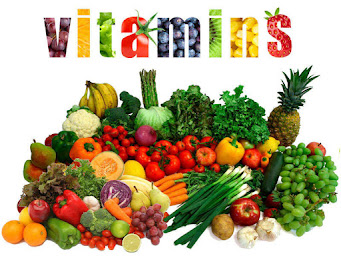
  VITAMINS •        Coined from the term ‘vital amine’, as early scientists felt the chemical amines vital for life. •        Like carbohydrates, proteins and fats they are organic compounds. •        Micronutrient •        Vitamin term is used for a group of potent organic compounds other than proteins, carbohydrates and fats occurring in minute amounts and are essential for some specific body functions such as regulation, maintenance, growth and protection. Many cannot be synthesized by the body and must be obtained from the diet. CLASSIFICATION •        Grouped according to their solubility in either fat or water: q   Fat-soluble vitamins: Vitamins A, D, E and K. They require fat for their absorption and can be stored in the body. If their intake is poor, but the body stores are ample, deficiency symptoms will no...

Star Classification of Hotels

Image
  STAR CLASSIFICATION OF HOTELS Historically, hotel classification systems were developed to ensure safe and reliable lodging and food for travellers at a time when very few such trustworthy establishments existed. Many countries allow various classification systems for hotels in accordance to chain name and type of hotel, however, there is no international classification which has been adopted. Members of Classifciation Committee of Hotel HRACC: Hotel & Restaurant Approval Classification Committee ​ As a rough guide: A  1-Star hotel  provides a limited range of amenities and services, but adheres to a high standard of facility-wide cleanliness. A  2-Star hotel  provides good accommodation and better equipped bedrooms, each with a telephone and attached private bathroom. A  3-Star hotel  has more spacious rooms and adds high-class decorations and furnishings and color TV. It also offers one or more bars or lounges. A  4-St...